Properties, applications, and advantages of expanded polypropylene
Introduction to EPP foam and EPP-Re
EPP foam, short for expanded polypropylene, is one of the most modern particle foams on the market and consists of approximately 95–96% air. Since the 1990s, this material has established itself in Germany, particularly in the automotive, packaging, and thermal box sectors. The combination of low weight, high energy absorption, and excellent insulating properties makes EPP a versatile material for demanding applications. Whether as a shock-absorbing component in vehicles or as a temperature-stable container for transporting sensitive goods – EPP impresses with its robustness, lightweight construction potential, and full recyclability.
What exactly is EPP foam?
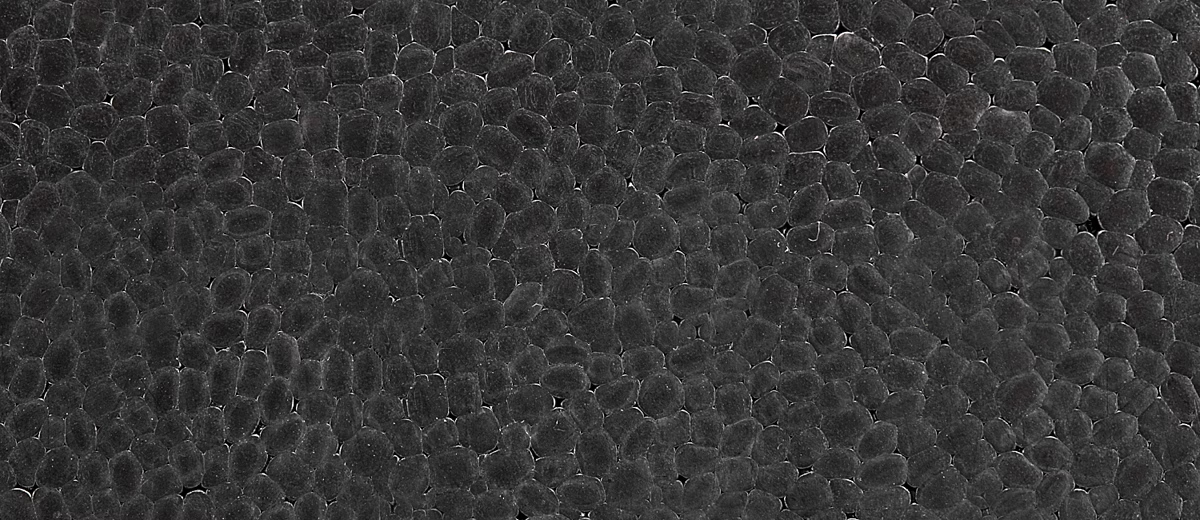
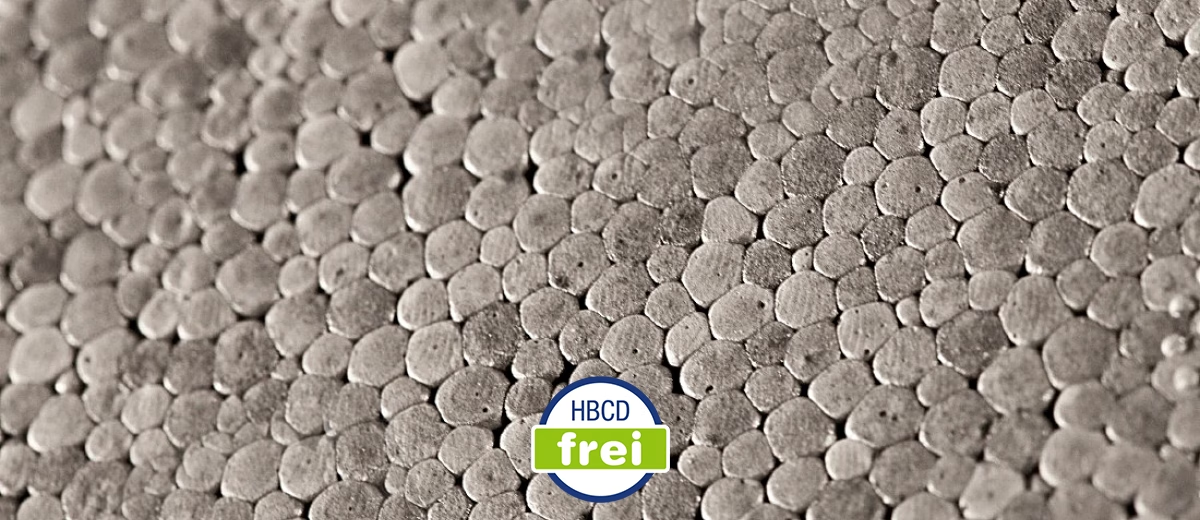
Expanded polypropylene (EPP) is a thermoplastic, closed-cell particle foam based on polypropylene. In contrast to amorphous plastic foams such as EPS or EPE, this polypropylene foam is characterized by its crystalline structure, which gives it excellent mechanical properties.
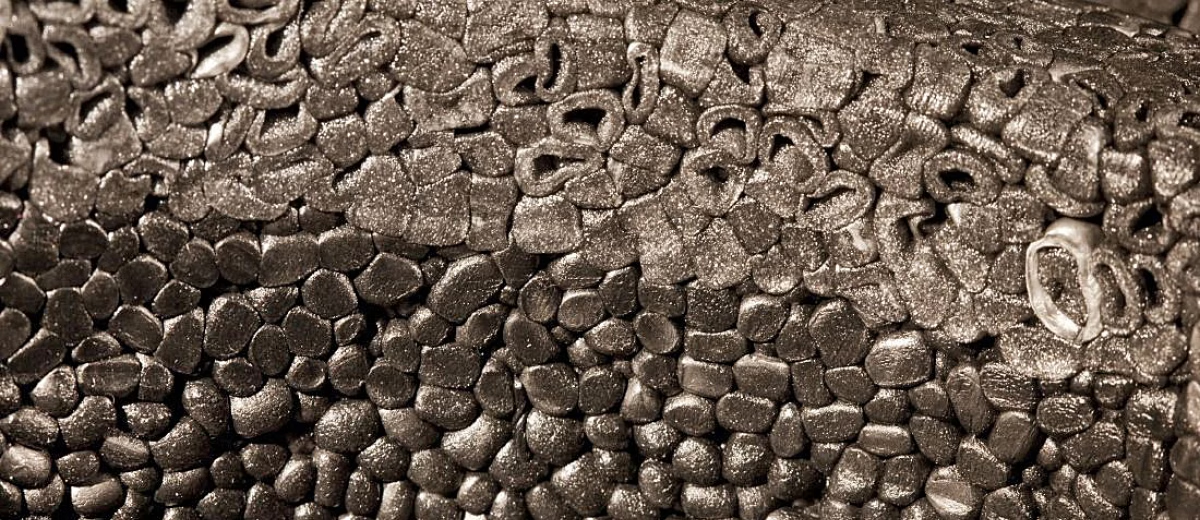
The foam structure consists of individual expanded foam particles (beads) that are welded together in special molds using heat and pressure. This process enables the production of complex molded parts with precise contours.
The density ranges of EPP are typically between approximately 20 and 200 g/l:
Low densities (20–40 g/l):
Soft, flexible qualities for damping and insulationMedium densities (40–80 g/l):
Balanced ratio of strength and weightHigh densities (80–200 g/l):
Very rigid structures for high mechanical stress
+49 6726 – 803 – 136

Typical properties of EPP foam
The properties of EPP make the material a preferred choice in numerous industries:
- High structural strength with low weight
- Excellent energy absorption with isotropic deformation behavior regardless of the direction of impact
- Excellent resilience – the material returns to its original shape after being stressed
- Very good thermal insulation for thermally sensitive applications
- Effective sound absorption and acoustic damping
- High chemical resistance to oils, greases, and many solvents
- Temperature resistance in the range of approx. –40 °C to +110 °C (depending on the quality, up to +130 °C)
- Minimal water absorption due to closed-cell structure
- Safe for use with food and neutral in taste and odor
- Dishwasher safe for appropriate designs
- Also available as EPP-Re with 30% recycled content
Manufacturing of EPP foam and molded parts
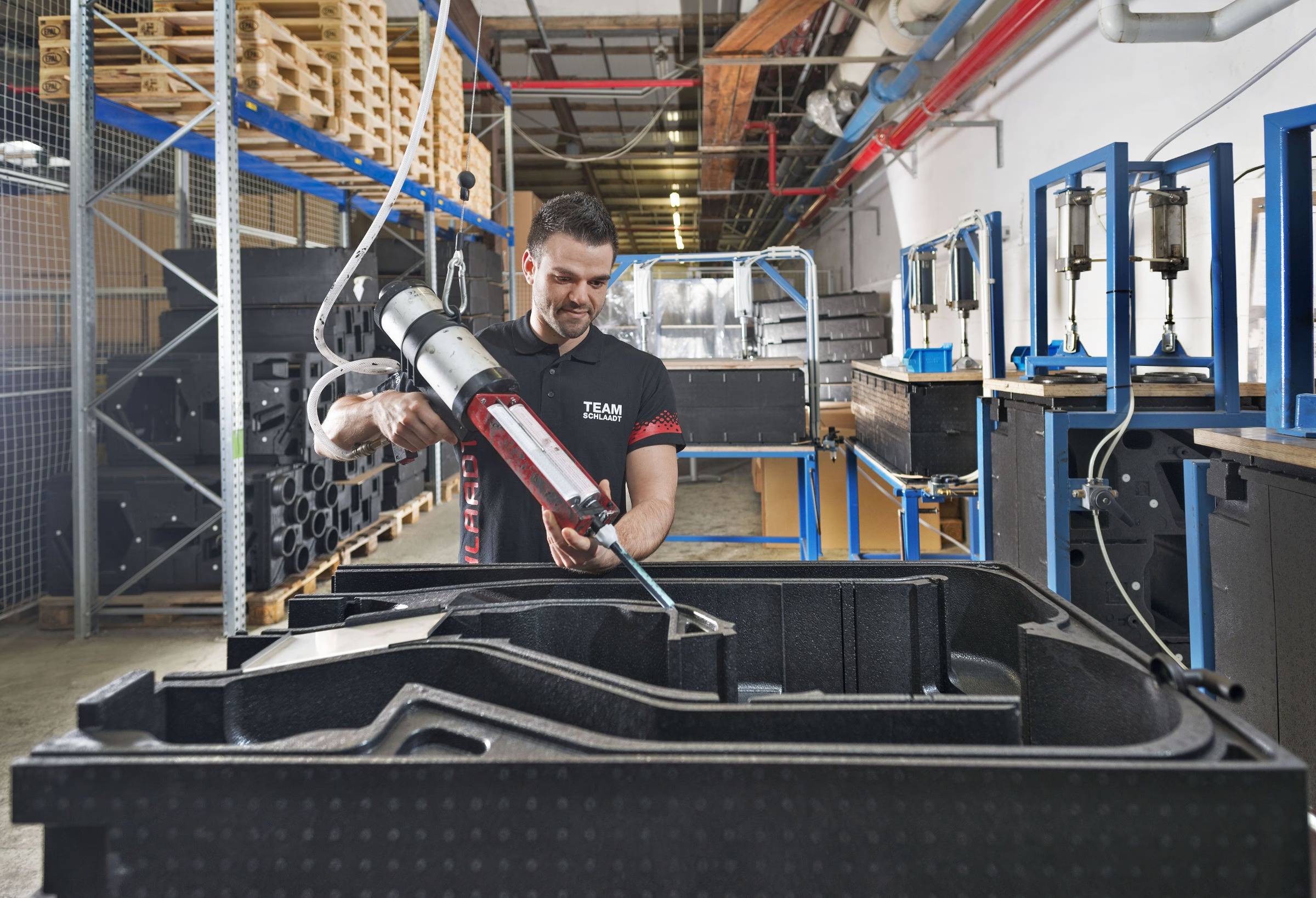
The production of EPP requires a highly specialized, precision-controlled production process. The raw material is treated as granules with blowing agents and pre-foamed in autoclaves before being processed into finished components in individual molds.
The individual production steps at a glance:
Raw material: Reputable producers in Europe supply EPP granules in various qualities and colors
Foaming: The raw material beads are filled into customer-specific molds and welded together using steam
Cooling and Stabilizing: The molded part is cooled in a controlled manner to ensure dimensional stability
Areas of application for EPP foam
EPP foam is used in numerous industries, with the choice of density and geometry always adapted to the respective application:
- HVAC (Heating, Ventilation, Air Conditioning)/Building Technology: Pump insulations, distribution cabinets, ventilation housings, heat exchanger casings
- Logistics & Packaging: Reusable packaging, load carriers, transport containers, equipment protection pads
- Food and meal transport: Thermoboxes for catering and delivery services, GN container systems
- Electronics protection: Packaging for sensitive assemblies, battery modules, sensors
- Automotive: Crash pads, bumper cores, headrests, door panels, trunk components
- Sport & Leisure: Fascia rollers, fitness equipment, protective helmets, drone housings, equestrian obstacles
+49 6726 – 803 – 136
EPP foam for HVAC (Heating, Ventilation, Air Conditioning), insulation and building technology
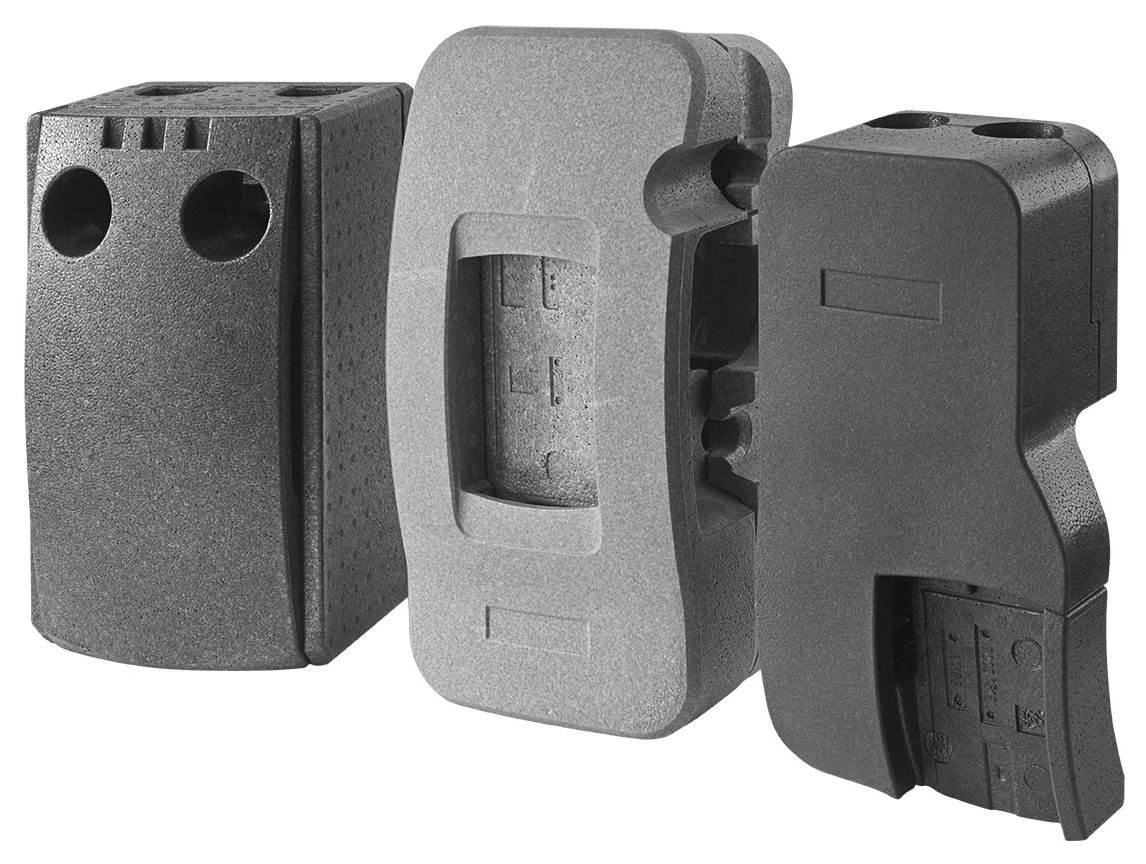
In the field of heating, ventilation and air conditioning, EPP has established itself as a standard material for insulation housings. The combination of thermal insulation, sound absorption and low weight makes the foam ideal for technical building equipment.
EPP housings are used in high-efficiency pumps and compact stations, where they minimize heat loss and at the same time reduce noise levels. The ability to integrate click systems and quick-release fasteners directly into the mold makes assembly, maintenance and service much easier.
Typical components with EPP insulation:
- Pump insulation for heating and hot water systems
- Distribution cabinets and distribution systems
- Heat exchanger housings and storage insulation
- Heating circuit distributor insulations
- Ventilation boxes and duct connections
- Insulating shells for valves and fittings
- Soundproof housings for compressors and units
+49 6726 – 803 – 136
EPP Foam in Food Transport and the Food Sector

EPP thermal boxes have become the standard for catering, communal catering and delivery services. The material meets the highest requirements for hygiene and temperature stability.
EPP thermal boxes are ultra-lightweight and yet offer excellent insulation performance for both hot and cold food. The high impact resistance protects contents even during intensive transport and frequent handling in daily use.
Properties for the food sector:
- Temperature maintenance over several hours (typically 4–6 hours for well-insulated systems)
- Stackability for efficient logistics and storage
- Compatibility with GN containers and gastronorm-compliant accessories
- Various lid versions (hinged, sliding or plug-in lids)
- Food law compliant qualities according to European standards
- Dishwasher suitability for easy cleaning and hygiene
EPP Molded Parts, Packaging, and Load Carriers
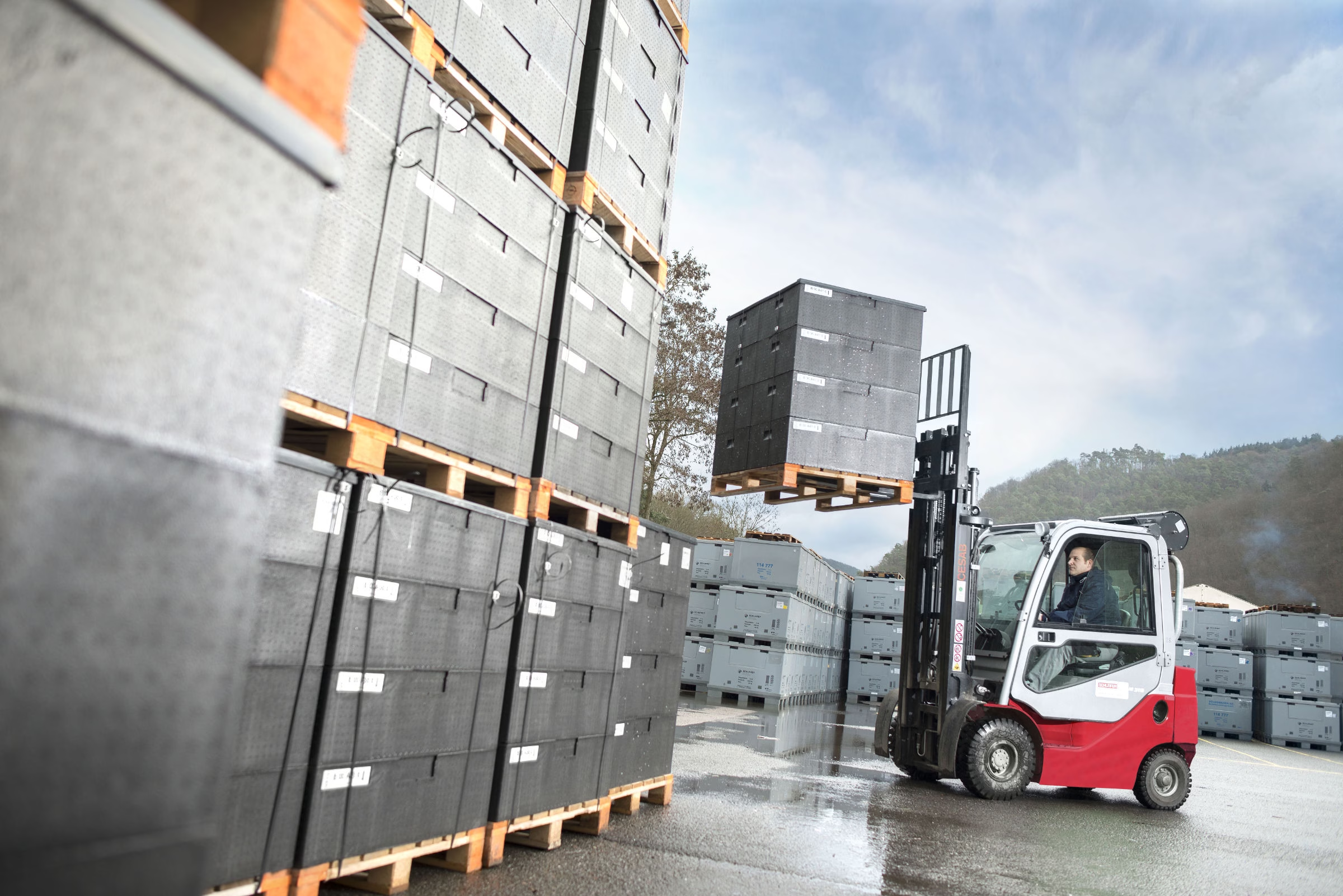
EPP molded parts are custom-made to fit the product contour, making them ideal for series packaging, reusable containers, and in-house load carriers. The high level of protection with minimal weight significantly reduces transport costs and breakage rates.
Typical packaging types and applications:
- Transport trays for electronic assemblies and sensitive components
- Container inserts with precisely fitting recesses for individual parts
- Reusable boxes for internal material flow
- Device protection cushions for high-quality electronics and measurement technology
- Battery module packaging with ESD protection on request
- Sensor and small parts carriers for automated production
EPP foam in sports, leisure, and consumer products
In the sports and leisure sector, users benefit from the unique combination of lightness, impact resistance, and design freedom offered by EPP products.
- Fascia rollers and fitness cubes: Dimensionally stable, skin-friendly, and available in various degrees of hardness
- Protective helmets: Energy-absorbing inner shells for bicycle, ski, and equestrian sports helmets
- Drone and model aircraft bodies: Ultra-lightweight and shatterproof in crash landings
- Equestrian obstacles: Safety for horse and rider due to flexible material upon contact
- Swimming aids and water toys: Buoyant due to low density and closed cells
- Toy building blocks and creative products: Robust, colorful, and safe for children
EPP components can be colored in many shades – from standard gray to signal colors and customer-specific tones. Surface textures such as nubs, grooves, or molded logos enable individual designs for branded products and promotional items.
EPP Foam in the Automotive Industry
The automotive industry has been one of the most important consumers of EPP molded parts since the mid-1990s. The high energy absorption and low weight make the foam an ideal material for safety-relevant vehicle components.
Typical applications in vehicle construction:
- Bumper cores and anti-collision blocks for improved impact protection
- Side impact protection in door panels to increase passenger safety
- Headrest cores with optimal damping in the event of a rear impact
- Footrests and knee pads in the interior
- Trunk components with integrated load securing
- Roof linings and sun visors with acoustic damping
EPP-Re – Sustainability, recycling and environmental protection
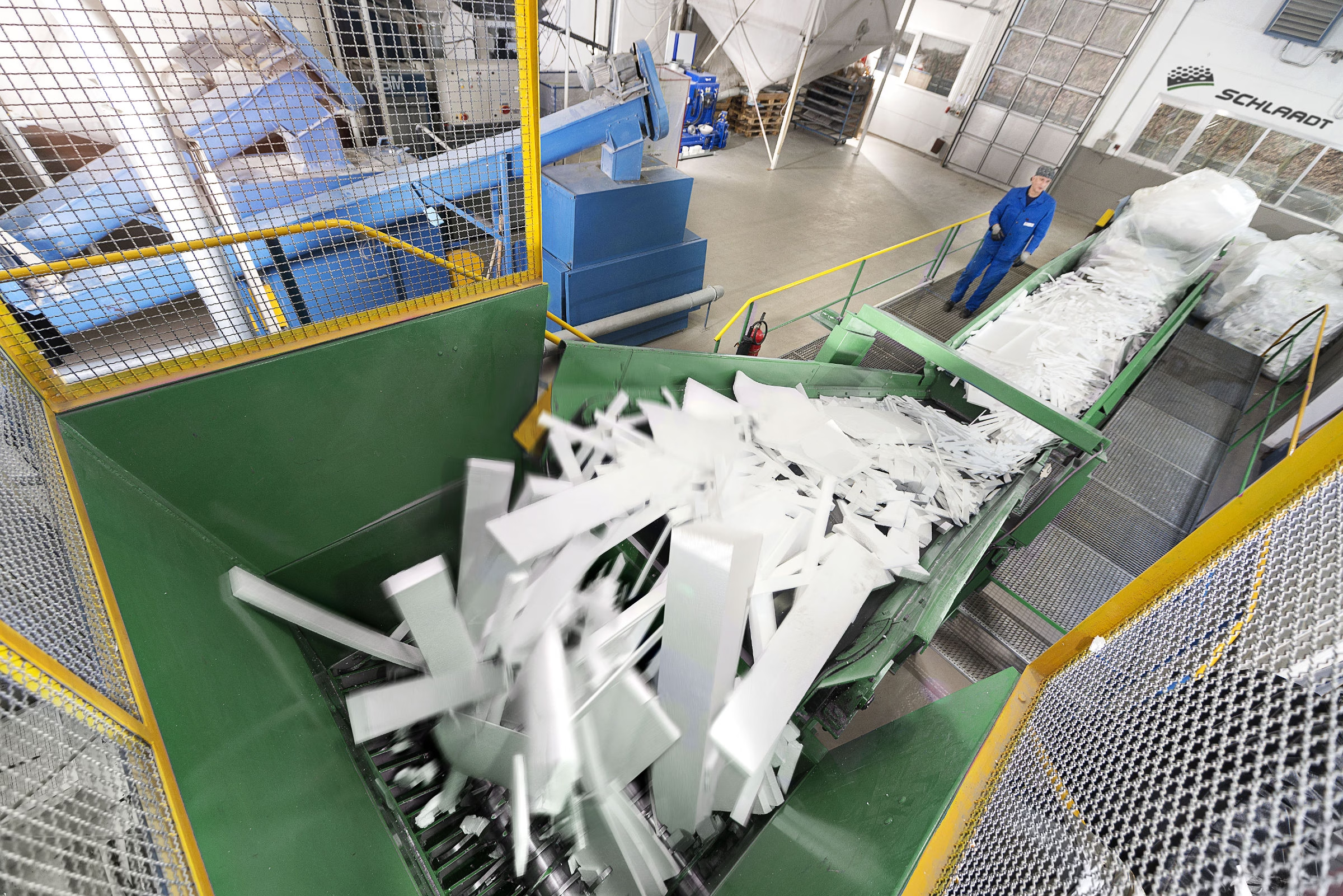
EPP is 100% recyclable and shows almost no performance degradation even after several recycling cycles.
EPP-Re is our sustainable reusable option, which, in addition to expanded polypropylene (EPP), also contains 30% EPP recyclate – without restricting the performance spectrum. This not only reduces the consumption of resources, but also minimizes the CO₂ footprint.
This is particularly important today, as ecology and circular economy are becoming increasingly important. EPP-Re is suitable for all applications in which ecological aspects are important in addition to the excellent physical properties of EPP. By using EPP-Re, you demonstrate your commitment to a sustainable future and can simultaneously benefit from the functional advantages of EPP.
No CFCs, no halogenated propellants and no environmentally harmful substances are used in the manufacturing process.
Key environmental benefits:
- The air content of over 90% saves raw materials and reduces transport weight
- Lightweight construction in vehicles reduces fuel consumption and CO₂ emissions
- Single-grade EPP remnants are shredded and introduced into new molded parts as recyclate
- Reusable packaging replaces disposable solutions and reduces waste volumes
EPP reusable systems are playing an increasingly important role in the Circular Economy. Since 2020, more and more companies have been relying on closed loops in which discarded EPP products are collected, processed, and returned to the production process. The environment benefits from this sustainable approach, as does the economic efficiency of long-term packaging concepts.
When is EPP foam the right choice?
EPP is the ideal solution when high energy absorption, lightweight construction, insulation, and reusability are required simultaneously. The material is particularly convincing where conventional foams such as EPS or EPE reach their limits – be it in terms of mechanical stress, temperature resistance, or durability.
Typical requirement profiles for EPP:
- Shockproof reusable packaging with many circulation cycles
- Thermally insulating housings for technical systems
- Weight-saving vehicle components with crash requirements
- Food-safe transport solutions with hygiene standards
- Robust sports equipment with high stress
+49 6726 – 803 – 136
EPP is particularly worthwhile for medium to high quantities, complex geometries, and durable applications. The initial tooling costs are quickly amortized by the durability and reusability of the products.